What changes for you
Product
You're no longer the only one holding the plan. Instead of writing the requirements first and walking everyone through them, you lead the story mapping session where you and the team map the product. Everyone leaves knowing what comes first and why, motivated because they have a stake in it. You come away with a product plan you can put into action: the story map, made by the whole team, with the conversations and notes from the session captured in it. When it's time to write tickets, you start from the tasks on the story map together. The story map stays in use from that first meeting through every release, evolving along with the product.
Engineering
You're in the room when the product is mapped, so what you know about building it shapes the plan. You can point out what's hard, and what's cheaper another way, before anything is promised. When it's time to write tickets, you and the product team start from the tasks on the story map, and each release slice says what that release needs. Once it's agreed, the work stays focused, with less scope creep. Because you can see the whole journey, today's choices won't box you in later. The story map stays as a record of the whole product, so you can come back to it when you extend the system or need to remember why something was built the way it was.
Design
A requirements document describes the product in words, feature by feature, so the journey has to be pieced together from it. On a story map you can visualise it, in a language you understand. Each release slice shows you and the product team which steps to design next, and because you can see the whole of it, your designs join up into one experience.
Leadership
A plan the team builds together is one everyone supports. People who helped shape it feel empowered to act on it and motivated to deliver it. You can see the whole product in one place: what each release is for, what's in it and how far along it is, without chasing status updates. When priorities change, you can see what moves before anyone commits to it.
Founders
The product no longer lives only in your head. Mapping it lays the whole idea out where your team, contractors and investors can see it. The first release slice shows the smallest thing worth launching, so you spend your time and money proving the idea, not building everything at once. As you learn from customers, the story map changes with you, and everyone you bring on can see where the product is going and why.
Worth knowing
What it costs
A few hours with the whole team together for the first session, then short check-ins along the way to update the story map and plan the next release.
Where it comes from
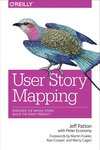
Jeff Patton first shared user story mapping on his blog, out of a frustration with agile planning that many of us have felt: a flat backlog that hides the bigger picture. He later wrote the book, User Story Mapping.
Why open source
The method and the tools to use it should be accessible to businesses, education, non-profits and the public sector alike. Storymaps.io is free and open source, so you can learn the method, experiment with it and plan real work without worrying about per-seat subscriptions or vendor lock-in down the road.